Veteran-Led Leadership • Clear Accountability • National Unity
Veteran-led leadership, clear accountability and coordinated implementation under one national structure.
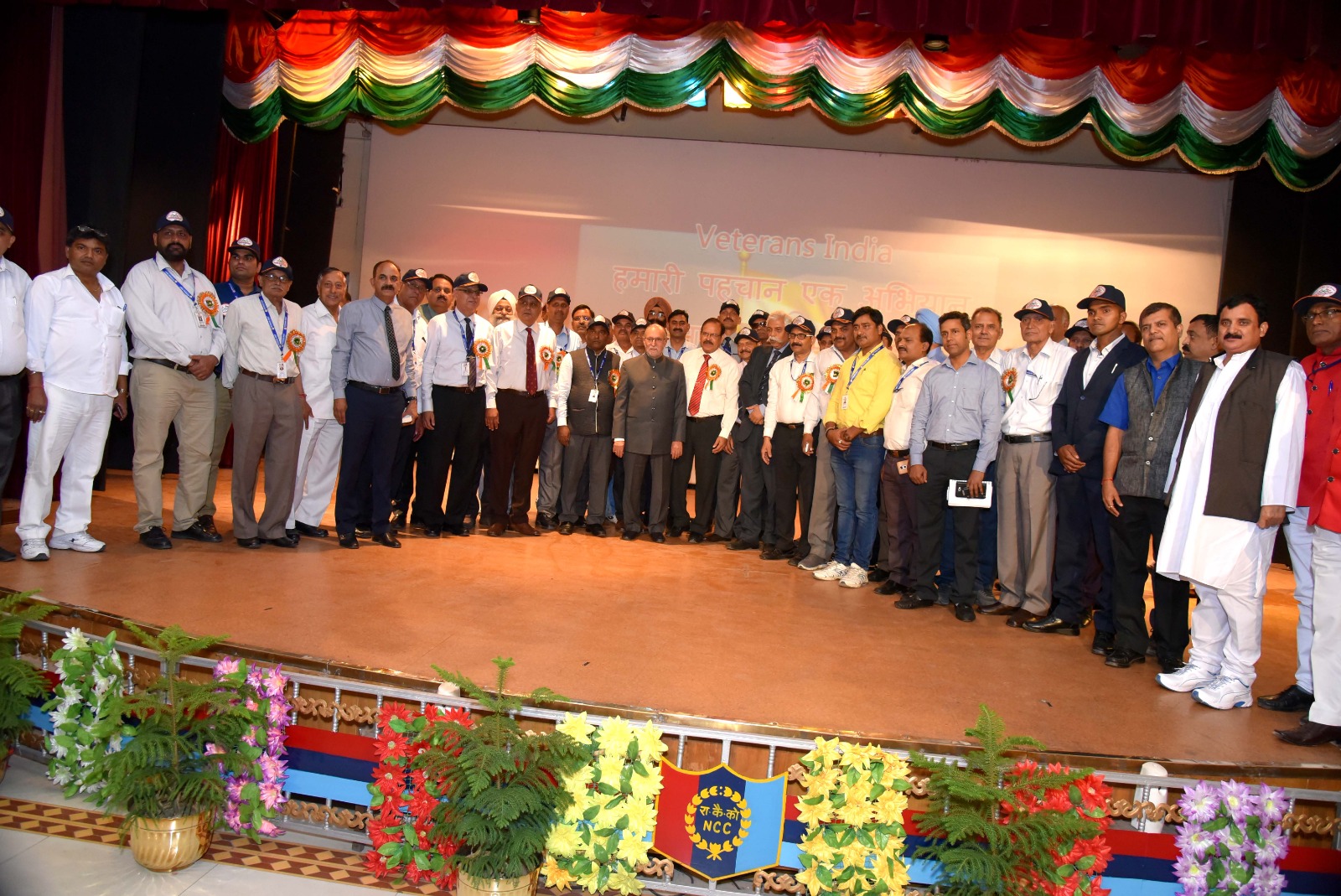
Veterans India follows a structured leadership and governance framework designed to ensure organisational discipline, accountability, transparency and coordinated implementation across all levels.
The organisation combines the experience of veterans, the capabilities of professionals, the energy of youth and the participation of institutions under a unified national structure.
Nation First • Discipline • Integrity • Accountability • Transparency • Service
Leadership is not defined only by position. It is demonstrated through conduct, responsibility and service.
Ownership of assigned duties and outcomes.
Ethical conduct and honesty in organisational work.
Respect for structure, protocol and organisational systems.
Leadership as responsibility, not privilege.
Clear reporting and responsibility for results.
Timely, responsible and policy-aligned decisions.
Coordination across people, functions and levels.
Commitment to organisational purpose and national interest.
The highest organisational authority of Veterans India.
Clearly defined portfolios and responsibilities for policy, coordination and national execution.
Highest organisational authority and national strategic leadership.
Portfolio-based administration, organisation and programme coordination.
National leadership support through designated portfolios.
Functional responsibilities, coordination and implementation support.
Portfolio and operational support under authorised leadership.
Leadership of specialised thematic Wings and initiatives.
Planning, implementation and monitoring of key programmes.
Expertise, guidance and professional support.
A portfolio-based structure for efficient administration, organisation and national programme execution.
Responsible for:
Responsible for:
Responsible for:
Vice Presidents and other designated office-bearers work through the appropriate Secretary General portfolios as per organisational responsibilities.
Translating national policy and programmes into effective State-level implementation.
A key implementation level for converting organisational vision into measurable local action.
District President, District Secretary Generals, District Vice Presidents, Secretaries, Joint Secretaries, Programme Coordinators, VPRF Coordinators, Sankalp Coordinators, Institutional Coordinators, Media & IT Coordinators, Finance & Compliance Coordinators, and Wing or programme representatives.
Structured grassroots participation aligned with District, State and National leadership.
Encourage local citizen participation and volunteering.
Enable community activities and local implementation.
Build structured patriotic and community-service participation.
Identify local needs, report activities and strengthen local leadership.
Educational institutions and partner organisations can support structured Veterans India and VPRF engagement.
Structured opportunities for student participation and service.
Leadership, mentoring and responsibility-building activities.
Institutional engagement through VPRF Centres and programmes.
Social-impact activities, internships and faculty participation.
A clear hierarchy for coordinated implementation, national unity and accountability.
One organisation, clear rules, defined accountability and responsible conduct.
All Chapters, Wings, Centres and programmes operate as part of one Veterans India organisation.
Approved structure, hierarchy, communication, branding, financial and documentation procedures must be followed.
Planning, documentation, reporting, evidence, financial records and outcome tracking support every role.
Relevant policies, registrations, reports and organisational documents are made accessible wherever appropriate.
Official financial activity must use authorised Veterans India systems and procedures.
Integrity, respect, professionalism, non-partisanship and responsible communication are expected.
Veterans India’s name, logo, platforms, programmes and structures must not be used for partisan political campaigning or endorsement.
A nationally consistent identity preserves official validity, organisational credibility and unity.
The official name, approved logo, organisational structure and Founder & National President protocol must be followed in all authorised activities and communications.
Decentralised implementation within one unified national policy framework.
Local leaders may plan and execute approved activities according to local conditions, but major organisational decisions must remain aligned with national policy.
Major institutional agreements, national partnerships, use of organisational identity, appointment of senior office-bearers, major financial commitments, national events, new organisational structures, major public statements, and legal or regulatory matters.
Leadership positions are responsibilities, not privileges.
Leadership effectiveness should be reviewed on contribution, not title alone.
Active membership and volunteer mobilisation.
Volunteer engagement and structured participation.
Sankalp Centre development and local participation.
Partnership development and activation.
Quality and consistency of programme delivery.
Visible and measurable local outcomes.
Responsible revenue and sustainability development.
Documentation, reporting quality and organisational discipline.
Inactive or non-performing structures may be reviewed, reorganised or strengthened in accordance with organisational policy.
Expert guidance within the approved organisational structure.
Governance, legal matters and policy support.
Academic, HEI and institutional partnership guidance.
Veterans, military-family and welfare-related expertise.
CSR, partnerships, sponsorships and resource mobilisation.
Digital systems, AI, CRM and technology guidance.
Financial discipline, controls and sustainability support.
Youth leadership, training and capacity development.
Preparedness, safety and emergency-response guidance.
Advisory bodies provide guidance and expertise but operate within the approved organisational structure.
Organisational interests and public trust must remain protected.
All office-bearers and representatives should avoid situations where personal, commercial, political or institutional interests conflict with Veterans India’s interests.
Potential conflicts should be disclosed through appropriate organisational channels. No office-bearer should use their position for unauthorised personal benefit.
Positions within Veterans India exist to serve the organisation and its mission, not to create unauthorised personal, commercial or political advantage.
The reputation of Veterans India is a shared responsibility.
Visitors may review relevant organisational information through the appropriate public sections.
National to grassroots structure and reporting model.
Leadership framework and authorised organisational roles.
Registrations, policies, CSR and compliance documentation.
Audit, annual and programme-related reporting.
Strong governance protects mission, reputation, accountability and public trust.
Strong governance is essential not only for organisational growth, but also for maintaining the trust of veterans, volunteers, institutions, partners, donors and citizens.